I'm a researcher at Thinking Machines working on vision + LLMs across the stack. Previously I was at OpenAI, and before that, University of Washington and AI2. My pronouns are he/his. I live in San Francisco, CA.
I have a blog I sometimes update. You can also find me on Twitter at @rown.
Publications
For all papers, visit my Semantic Scholar or Google Scholar pages.
 GPT-4o
2024
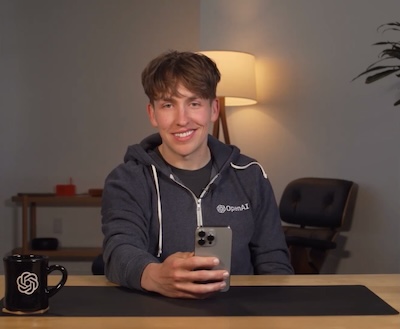
Reasoning across language, vision, and sound -- all together and all in real time. I led video perception all the way through -- including architecture, pretraining ML, data, and evals. Then I helped make a real-time audio+video demo happen.
 GPT-4
GPT-4
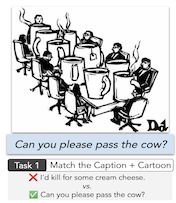 Do Androids Laugh at Electric Sheep? Humor "Understanding" Benchmarks from The New Yorker Caption Contest
ACL 2023 Best Paper
We introduce benchmarks that measure humor understanding, through explaining the jokes in New Yorker cartoons.
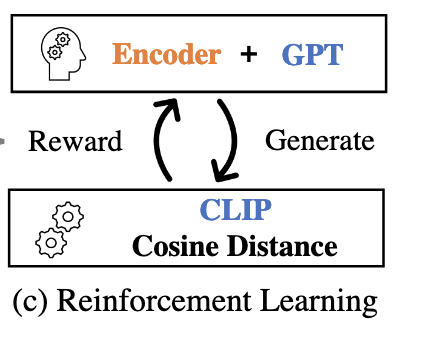 Multimodal Knowledge Alignment with Reinforcement Learning
CVPR 2023
We use reinforcement learning to combine a vision model (CLIP) and a text-only language model, into a captioning model. The parameters of the language model are kept frozen, so the model can still perform zero-shot generalization, while also performing well on captioning.
 MERLOT Reserve: Multimodal Neural Script Knowledge through Vision and Language and Sound
CVPR 2022 Oral
website paper Press (VentureBeat) Press (GeekWire)
We introduce MERLOT Reserve, which learns about YouTube videos through all their modalities (audio, vision, and text). Learning from audio helps broadly -- even on single-image tasks like VCR. Our model learns state-of-the-art representations, that also transfer well to video-based tasks in a zero-shot setting.
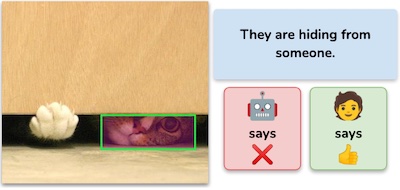 The Abduction of Sherlock Holmes: A Dataset for Visual Abductive Reasoning
2022
We introduce a new dataset named Sherlock for studying Visual Abductive Reasoning: inferring likely context about the world beyond an image, given a localized clue. We operationalize this task through a ranking-based evaluation, where we find headroom for today's vision-and-language models.
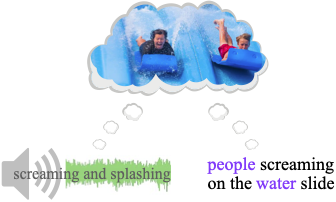 Connecting the Dots between Audio and Text without Parallel Data through Visual Knowledge Transfer
NAACL 2022
The internet has lots of images paired with literal descriptions, but this pairing is less common for audio. We study using images as a "pivot" to learn strong audio-text representations, without paired data. In this zero-shot setting, our model obtains strong performance on a variety of sound description tasks.
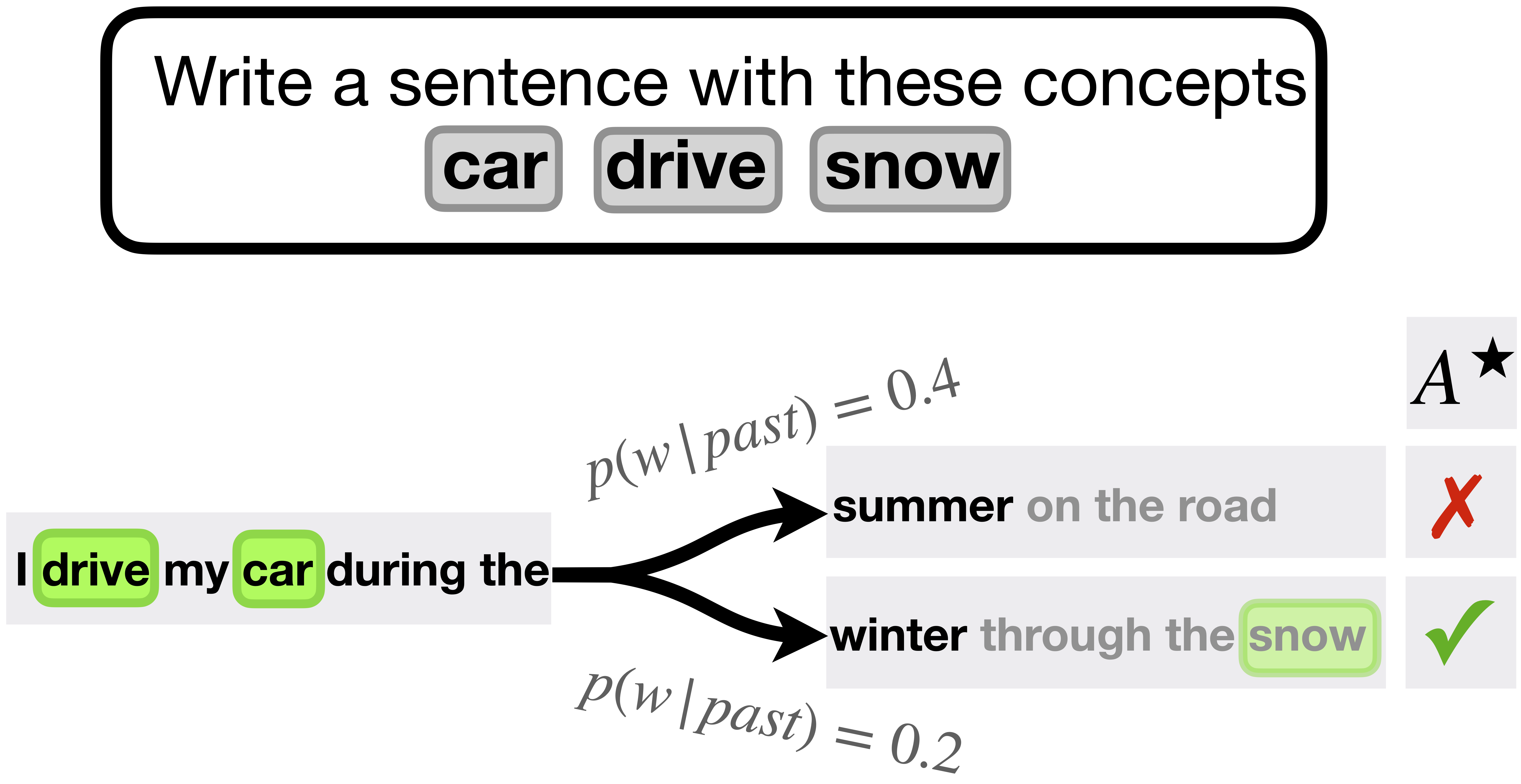 NeuroLogic A* esque Decoding: Constrained Text Generation with Lookahead Heuristics
NAACL 2022 Outstanding Paper (top 3)
We introduce a new constrained decoding strategy for text. The idea is to use lookahead heuristics to guide text towards satisfying provided constraints. It outperforms competitive baselines, particularly on tasks with complex constraints.
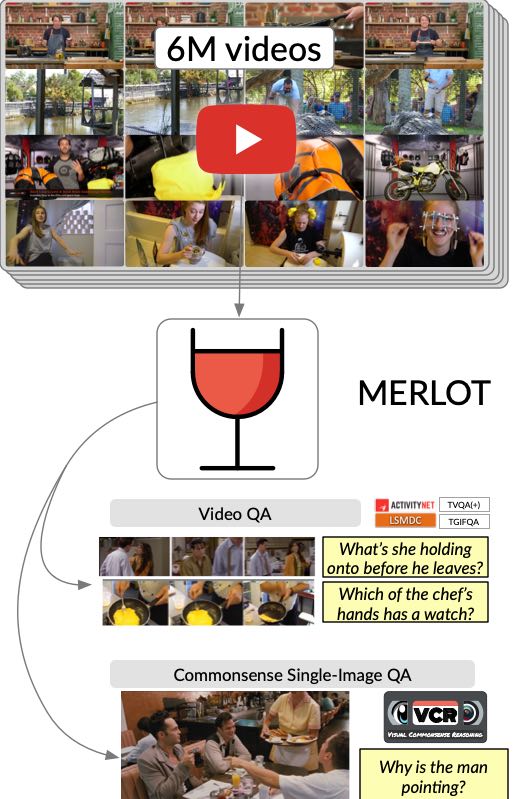 MERLOT: Multimodal Neural Script Knowledge Models
NeurIPS 2021 Oral (top 1% of submissions)
website paper Press (VentureBeat) Press (The Batch)
We introduce MERLOT, a model that learns multimodal script knowledge by watching millions of YouTube videos with transcribed speech -- in an entirely label-free, self-supervised manner. Our model not only learns to match images to temporally corresponding words, but also to contextualize what is happening globally over time. It shows a strong temporal understanding of visual events -- when finetuned, or when ordering visual stories zero-shot.
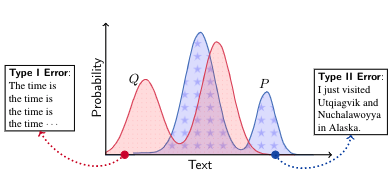 MAUVE: Human-Machine Divergence Curves for Evaluating Open-Ended Text Generation
NeurIPS 2021 Outstanding paper (top 0.1%)
We introduce MAUVE, a new metric for evaluating open-ended text generation. MAUVE simultaneously measures 1) errors due to assigning high probability to unnatural language, and 2) errors due to assigning low probability to true language. Our evaluation corresponds with human judgments, and reveals that decoding algorithms like Nucleus Sampling score well in practice.
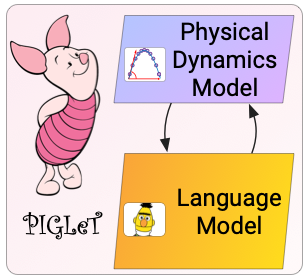 PIGLeT: Language Grounding Through Neuro-Symbolic Interaction in a 3D World
ACL 2021
We introduce a model named PIGLeT that learns physical commonsense understanding by interacting with the world, and uses this knowledge to ground language. This strategy works much better than modeling everything solely through linguistic form. When forecasting "what happens next" given an English sentence, our base-sized PIGLeT model outperforms text-to-text models that are 100x larger.
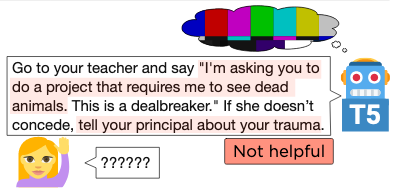 TuringAdvice: A Generative and Dynamic Evaluation of Language Use
NAACL 2021
website paper Press (VentureBeat)
Big transformers do well on NLP benchmarks, but there's a gap between today's benchmarks and how humans use language. Our TuringAdvice benchmark narrows this gap, requiring models to write helpful language in response to a real-life situation. It reveals key flaws with today's models.
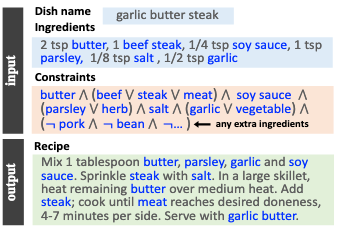 NeuroLogic Decoding: Unsupervised Neural Text Generation with Predicate Logic Constraints
NAACL 2021
Constraints like "generate a recipe using the following ingredients" are tricky for language models to follow, even after finetuning. We introduce NeuroLogic Decoding, an algorithm that allows for the generation of high-quality text while satisfying constraints, allowing us to avoid the finetuning step completely.
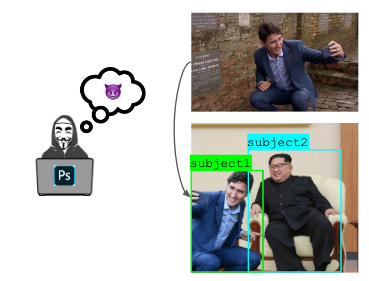 Edited Media Understanding Frames: Reasoning About the Intent and Implications of Visual Misinformation
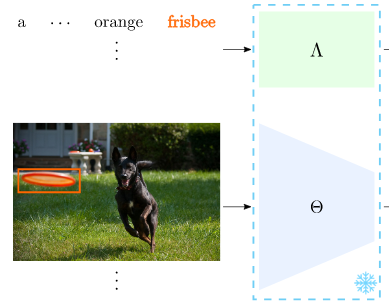 Probing Contextual Language Models for Common Ground with Visual Representations
NAACL 2021
Today's best language understanding models are trained on massive amounts of purely textual data. We show that their representations have structural similarity to models trained on visual data, though this cross-modal linkage is far from perfect.
 Adversarial Filters of Dataset Biases
ICML 2020
Today's models achieve superhuman performance on benchmarks like ImageNet and Stanford Natural Language Inference (SNLI), but it is unclear whether they solved the underlying task, or rather overfitted to dataset biases. We study AFLite, an extension of Adversarial Filtering, to remove dataset biases. Filtering datasets like ImageNet makes them much harder for machines, while human performance remains high.
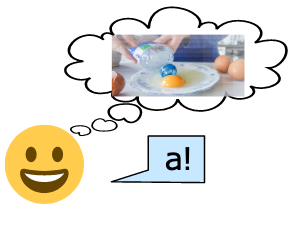 PIQA: Reasoning about Physical Commonsense in Natural Language
AAAI 2020 Oral (top 3%).
To apply eyeshadow without a brush, should I use a cotton swab or a toothpick? We introduce a benchmark for evaluating the ability for machines to reason about physical situations through natural language. Today's pretrained language models struggle, showing room for future reesearch.
 Defending Against Neural Fake News
NeurIPS 2019
website paper
Press: TechCrunch UW Allen School News New Scientist GeekWire AdWeek The New York Times The Washington Post AI2 Blog
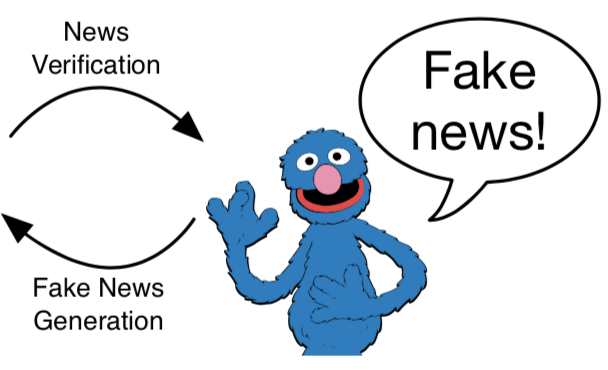
Can adversaries use state-of-the-art NLP models to generate "neural fake news"? We investigate the threat of machine-written propaganda that mimics the style of real news, through a model named Grover. Given a headline, Grover can generate the rest of the article. The best defense agianst Grover turns out to be Grover itself, demonstrating the importance of public release of strong generators.
 HellaSwag: Can a Machine Really Finish Your Sentence?
ACL 2019
We show that commonsense inference still proves difficult for even state-of-the-art models, by presenting HellaSwag, a new challenge dataset. Though its questions are trivial for humans, even deep pretrained models (like BERT) struggle. The key insight is to scale up the length and complexity of the dataset examples towards a critical zone wherein generated text is ridiculous to humans, yet often misclassified by state-of-the-art models.
 From Recognition to Cognition: Visual Commonsense Reasoning
CVPR 2019 Oral (top 5%).
We formulate the new task of Visual Commonsense reasoning, where a model must not only answer challenging visual questions expressed in natural language: it must provide a rationale explaining why its answer is true. We introduce a new dataset, VCR, consisting of 290k multiple choice QA problems derived from 110k movie scenes.
 SWAG: A Large-Scale Adversarial Dataset for Grounded Commonsense Inference
EMNLP 2018
website paper Press (The New York Times)
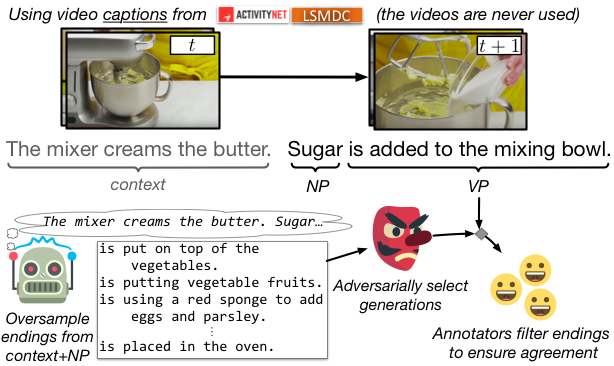
We release a new NLI dataset, SWAG, with 113k challenging multiple choice questions about grounded sitautions. To build this dataset, we present Adversarial Filtering (AF), which allows for data collection at scale while minimizing annotation artifacts.
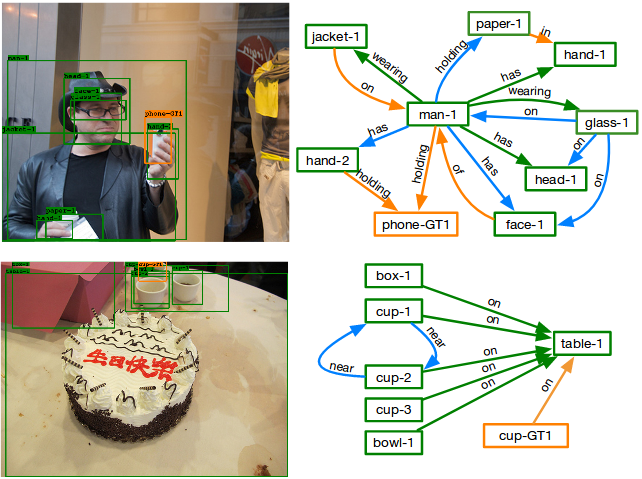 Neural Motifs: Scene Graph Parsing with Global Context
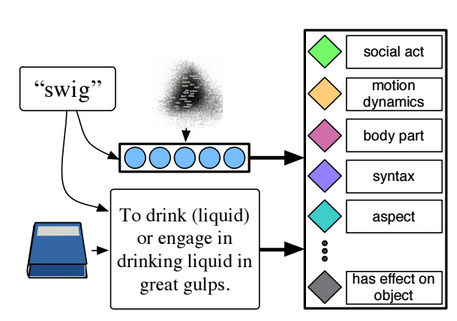 Zero-Shot Activity Recognition with Verb Attribute Induction
EMNLP 2017
We investigate zero-shot multimodal learning where the topics of classification are verbs, not objects. We crowdsource verb attributes and build a model to learn them from unlabeled text, and dictionary definitions. We used these verb attributes to recognize actions in images.
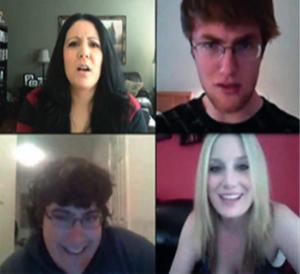 Multimodal Sentiment Intensity Analysis in Videos: Facial Gestures and Verbal Messages
IEEE Intelligent Systems 2016
We provide a study of sentiment analysis applied on video data, not just text. We present a model that exploits the dynamics between gestures and verbal messages.
Recent talks
Rowan Zellers' blog
feb 2026 blog flow
I want to post more here. I redid the backend of my website to be lower friction.
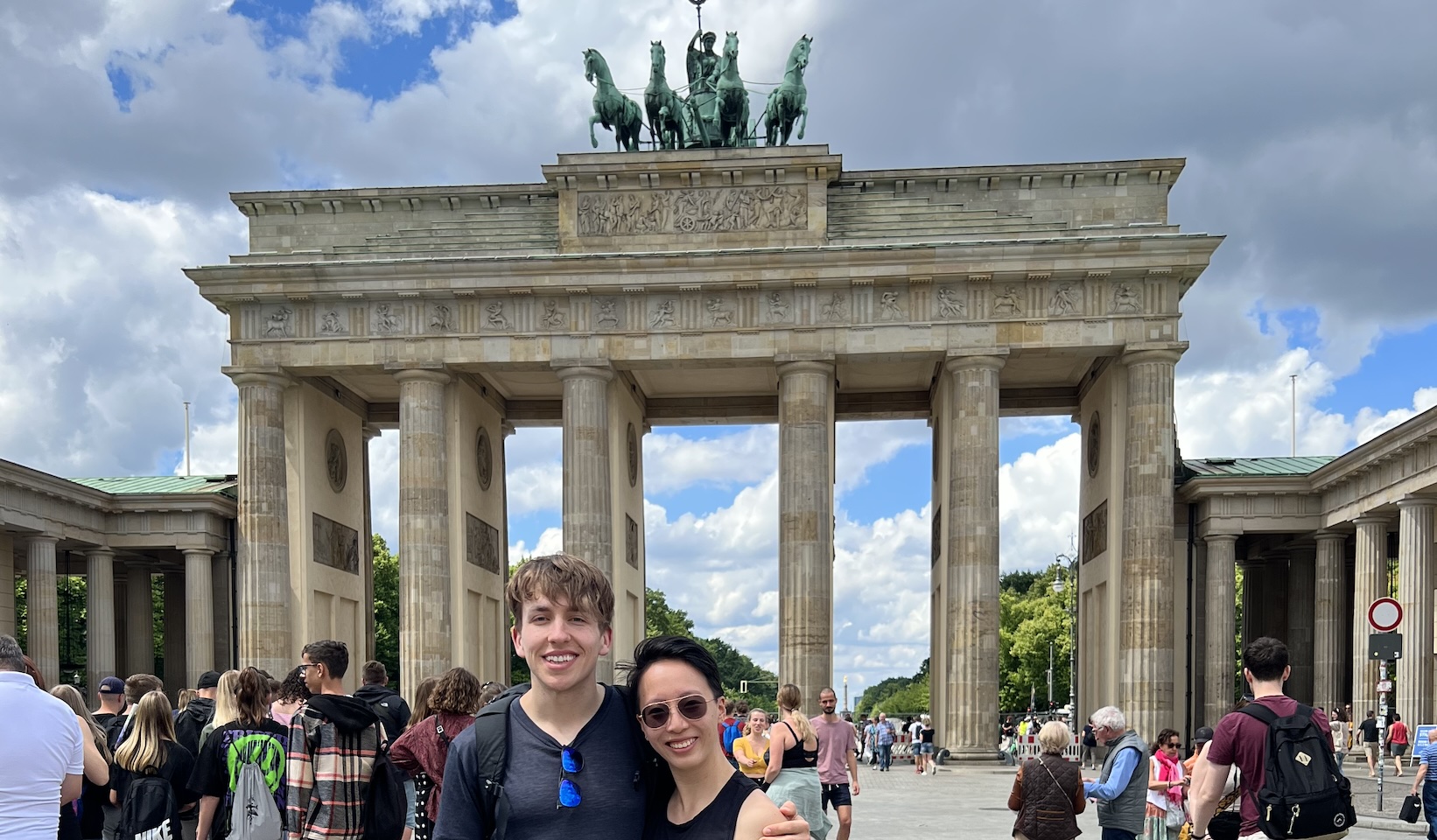
My Summer 2022 Europe adventure: Berlin, Amsterdam, Split, Mostar, Sarajevo, Belgrade, Budapest, Vienna.
After grad school, I visited my sister in Berlin, then we went on an adventure in Central Europe and the Balkans.

Why I chose OpenAI over academia: reflections on the CS academic and industry job markets (part 2)
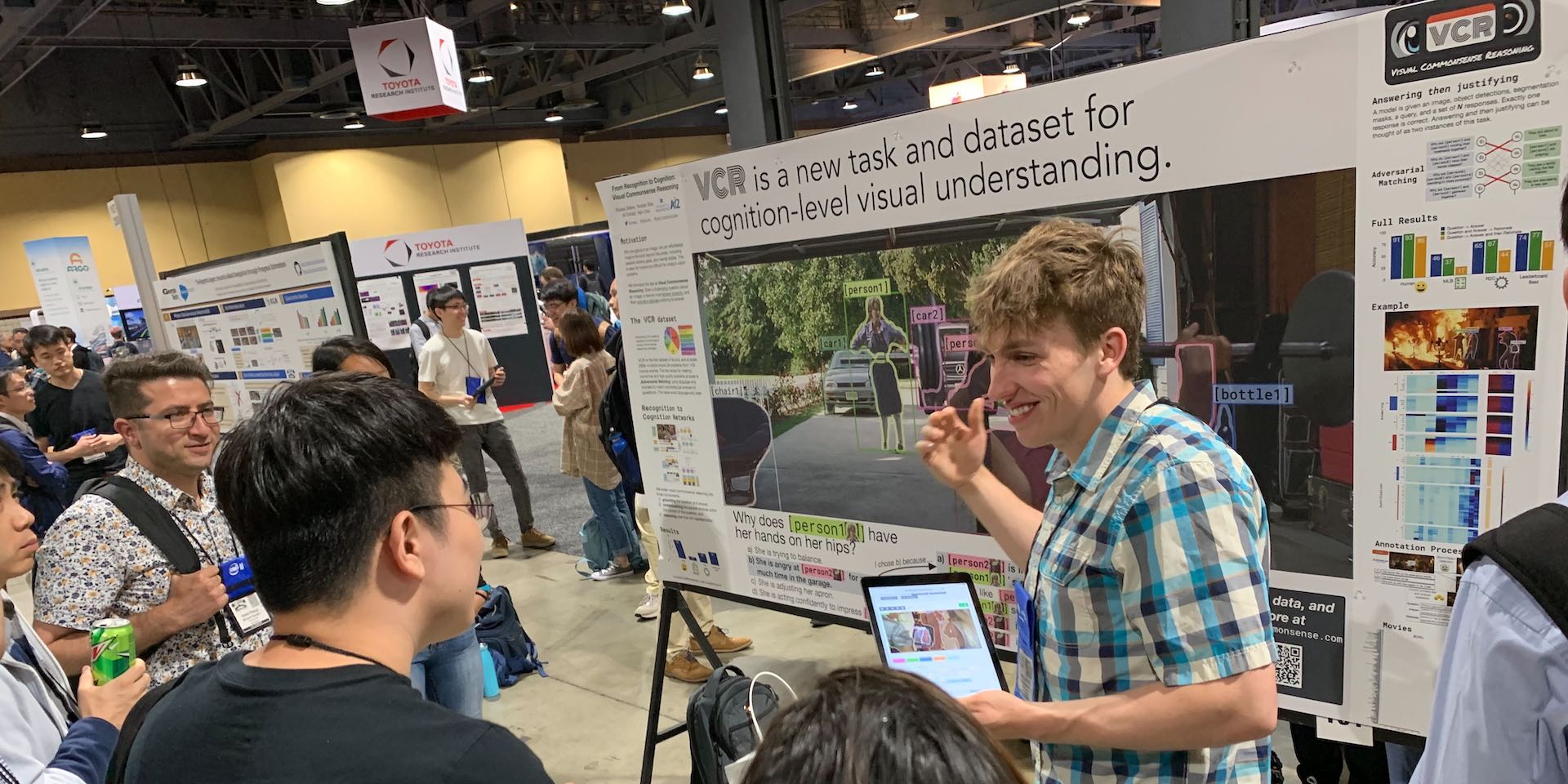
Part 2 of a blog post about my time on the computer science job market in 2021-2022, in which I discuss my personal decision-making process between offers.
Reflections on the CS academic and industry job markets (part 1)
A summary on my time on the computer science academic / industry job markets for 2021-2022. May be helpful for PhD students or current applicants.
CVPR 2022 Notes
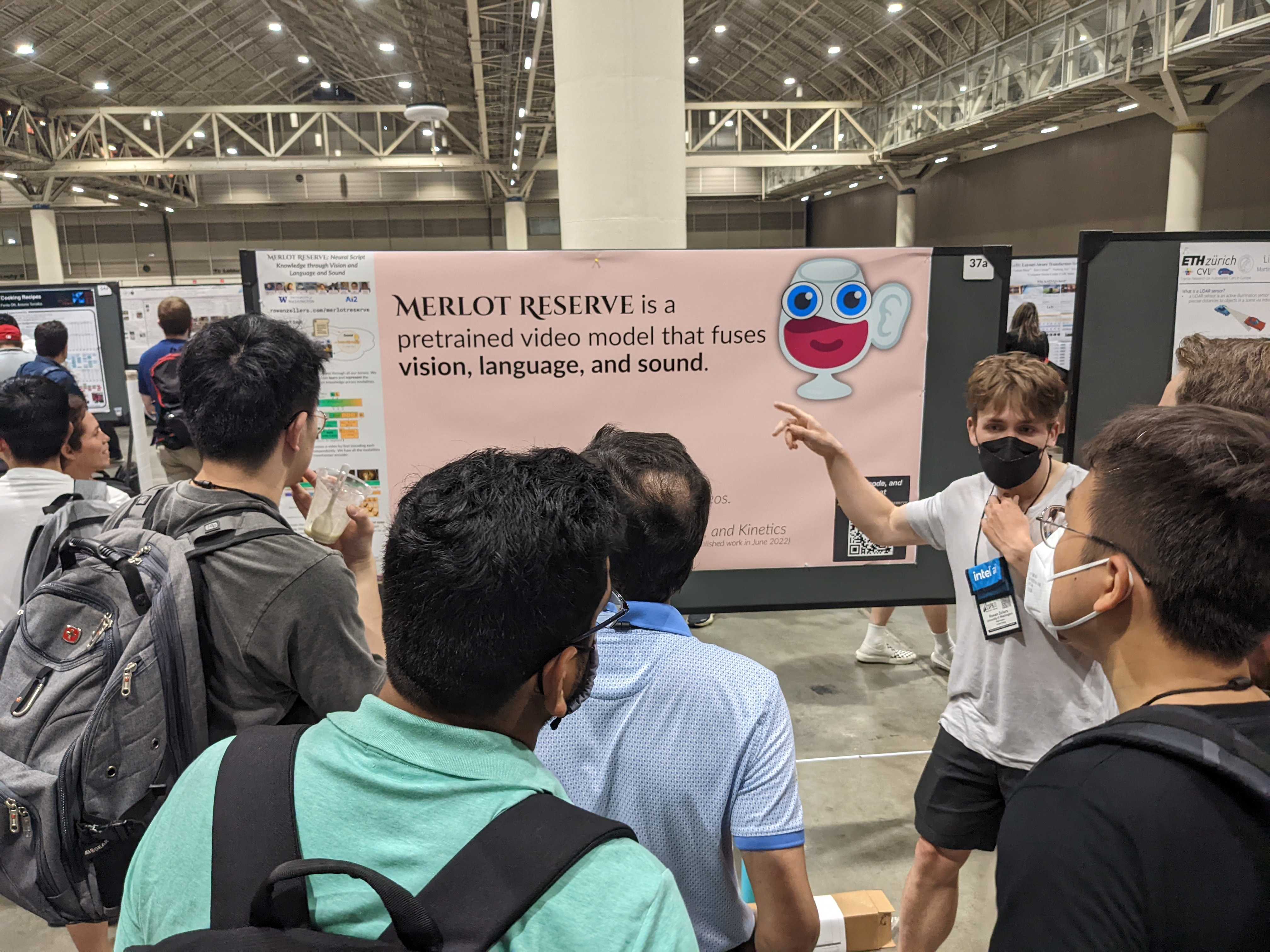
Notes from CVPR 2022
Building a deep learning box
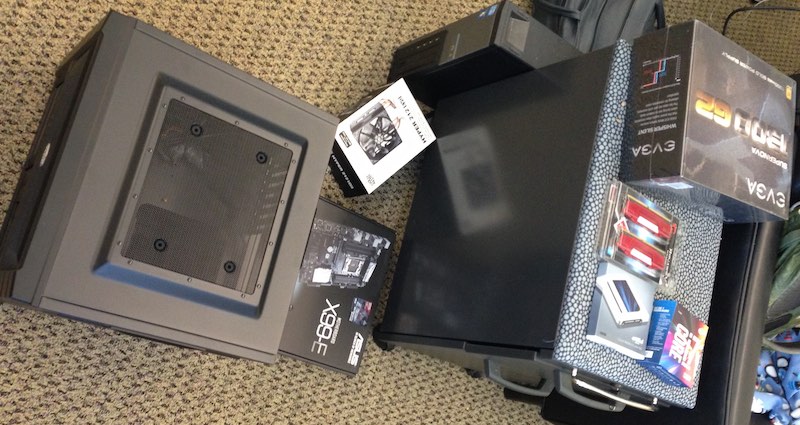
How to build a deep learning box in 2017. Super outdated today!
How to win the NSF Fellowship
Some advice about applying for the NSF fellowship.
Miscellaneous
- I graduated with my PhD from the University of Washington in Computer Science and Engineering and was part time at the Allen Institute for Artificial Intelligence. I was advised by Yejin Choi and Ali Farhadi. I am super grateful for their mentorship.
- During my PhD, I was supported by the NSF and ARCS Fellowships. Looking for tips on how to win the NSF fellowship? Check out my blog post here!
- Prior to UW, I graduated from Harvey Mudd College in 2016, where I majored in Computer Science and Math.
- As an undergrad, I worked with Louis-Philippe Morency on multimodal machine learning. My first research experience ever was with Jacqueline Dresch on computational biology.
- Random things I like: rock climbing (especially bouldering!), running, biking, snowboarding, pottery, art+design, urbanism, jazz guitar, Dominion, onebag travel...
- I have an Erdős number of 3 (Paul Erdős → Prasad Tetali → Sean Welleck → Me).
Contact
My email address is rowanz at cs.washington.edu. Note:
- If you have a question about getting code to work (for a paper I published), opening up an issue on my Github is usually better than email. Please try to provide sufficient detail so I can help you out!
- I often serve as a reviewer for open-access NLP, CV, and ML conferences and journals. I avoid reviewing for closed-access journals, or for conferences/journals that I haven't heard of, sorry!